

Recent Hail Storm in Kansas City: Why You Should Check Your Roof Now Kansas City was recently hit by a strong hailstorm, with many homeowners reporting hail large enough to cause significant roof damage. Even if your home looks fine from the ground, that doesn’t mean your roof escaped the storm unscathed. Hail damage is […]
Roofing Blog

Your roof is one of the most important parts of your home—it protects your family, belongings, and investment from Kansas City’s unpredictable weather. Quality roofing matters, from heavy storms and hail to summer heat and winter snow, your roofing system needs to be strong, durable, and installed by professionals. That’s why so many homeowners trust […]
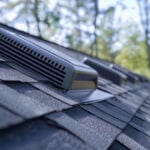
When most Kansas City homeowners think about their roof, they focus on shingles, gutters, and leak prevention. But there’s one often-overlooked factor that plays a huge role in your roof’s performance and your home’s comfort: attic ventilation. Proper attic ventilation helps protect your roof, lower energy costs, and extend the lifespan of your entire roofing […]

During Larry L. Vaught Roofing Inc.’s 58 years as a roofing company in Kansas City, I have been asked countless times if we work through the winter. My answer has always been “yes we do.” I also explain that we endure as many non-workable days in the spring and fall due to rain as we […]

Protecting Your Home Roof Repairs in Kansas City are one of the most important ways to protect your home. It protects you and your possessions from the elements. Even the best roofs can eventually start to wear down. If you have any water stains on your ceiling, missing or out of place shingles on your […]
Attic ventilation is the process of allowing air to flow through your attic system, which helps to prevent moisture from building up and causing damage. Attic Ventilation System is important for all types of roofs and for various reasons. As winter approaches, let’s focus on preventing condensation and ice dams. Typically an attic is ventilated […]

Finally, those scorching summer temperatures are falling and so are the leaves on your trees. It’s Fall Gutter Maintenance time! Fall is the perfect time to have the debris removed from your gutters before the winter freeze blasts in, freezing the debris and making it impossible to clear. Fall gutter maintenance is important for the […]

Roofing is one of the most important parts of your home. It protects you from the elements and keeps your belongings safe. When it’s time to replace your roof, you want to make sure you choose a reputable roofing contractor in Kansas City. Choosing a Residential Roofing Contractor There are many factors to consider when […]

You might not give your roof much thought unless it’s leaking or covered in snow, but it plays a vital role in protecting your home. One often overlooked aspect of roof maintenance is proper roof ventilation. It might sound technical, but understanding its importance can save you significant headaches and money down the line. What […]

CertainTeed Presidential shingles are a great option for homeowners in Kansas City who are looking for a durable and attractive roof. The shingles are made from a high-quality asphalt blend that is designed to withstand the harsh weather conditions in Kansas City. The shingles also have a unique design that gives them a natural wood […]